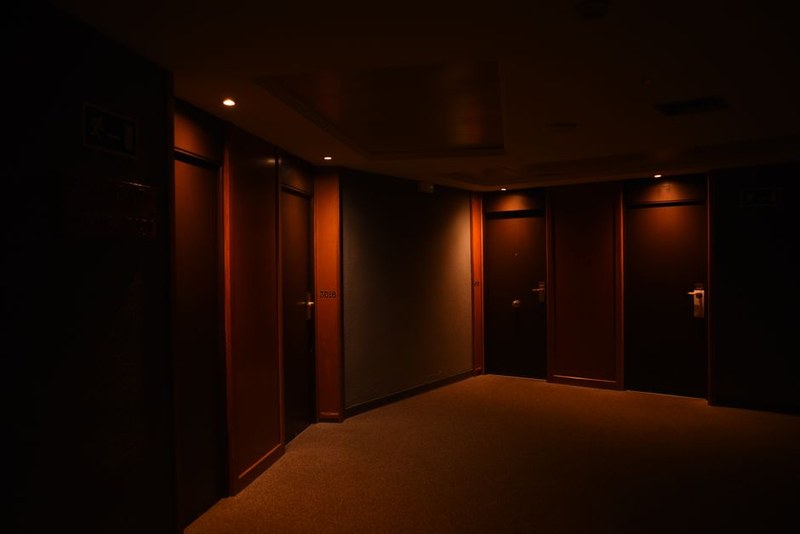
How Resident Evil Taught Players to Fear Doors
A look at loading-screen door animations and how a technical limitation became one of survival horror's most enduring tension devices.
Long-form essays, catalog entries, and design breakdowns from the Ismailia, Egypt horror gaming circle — for readers who study fear, not just feel it.
Browse ArchiveFresh entries cataloging survival mechanics, scare design, and the games that got it right
We revisit how Tecmo's camera-obscura mechanic turned passivity into the scariest verb in survival horror, decades before it became a genre staple.
A breakdown of Scissorman's pursuit AI and why unscripted chase logic still unsettles players more than scripted jump-scares ever could.
We dig into how a modern indie title revived PS1-era framing to rebuild dread that free camera movement had quietly erased.
An audio-focused entry examining how Frictional Games weaponized empty soundscapes, making silence louder than any scripted scare.
We revisit the psychological horror title's uneven reception and why its narrative ambition still sparks debate among genre readers.
We map scare cadence across five survival titles to show how pacing, not volume, is what separates memorable scares from cheap ones.
New catalog entries and design essays published this cycle
A look at loading-screen door animations and how a technical limitation became one of survival horror's most enduring tension devices.

We catalog the sight-jacking mechanic and how forcing players to see through enemy eyes redefined vulnerability in survival design.
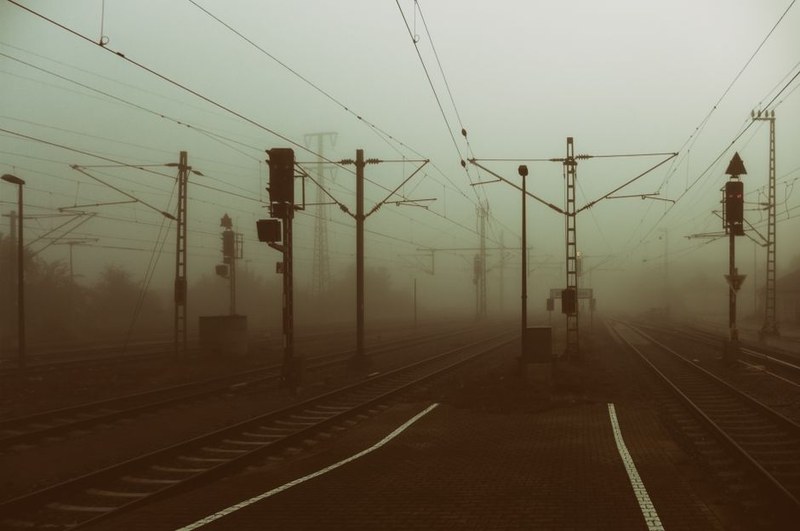
An essay on how technical fog limitations were repurposed into atmosphere, shaping how horror games handle draw distance today.
We compile catalog suggestions from Ismailia horror readers highlighting overlooked survival titles worth a second look.
Why enthusiasts keep coming back to our entries
Every entry is built from direct playthrough notes and design analysis, not recycled summaries pulled from other outlets.
Written by a small circle of horror gaming readers in Ismailia, Egypt who catalog and debate scare design together.
We go past plot summaries to examine pacing, sound cues, and camera work that make jump-scares and dread actually function.
New catalog entries and essays go up on a steady schedule, so the archive keeps growing without long dry spells.
New entries on survival mechanics and scare design are added regularly — start with whichever era pulls you in.
Common questions from people exploring the blog for the first time
Yes. We periodically feature reader-submitted catalog entries and short essays, especially on underrated or regional horror titles that deserve more coverage.
New entries and design essays are published on a steady rolling basis. Check the blog page regularly, as older catalog pieces are also revised over time.
Both. Our catalog spans early fixed-camera classics through modern indie horror, since we're interested in how scare design has evolved across eras.
Mostly analysis. We focus on how mechanics, pacing, and sound design create fear, rather than scoring games or issuing star ratings.
No. Beautify On The Run is an independent, fan-run editorial project based in Ismailia, Egypt, with no publisher or platform affiliation.